
Raising Readers: Promoting Executive Functioning
March 21 @ 8:00 am - 4:30 pm


Register Now!
Executive functioning skills play a critical role in how students plan, organize, manage time, regulate emotions, and follow through on learning tasks. When these skills are underdeveloped, students may struggle academically and behaviorally, even when high-quality instruction and interventions are in place.
This in person conference brings together educators, families, and specialists to explore executive functioning from multiple perspectives, including the classroom, the home, and the learner’s lived experience. Through a combination of keynote learning and breakout sessions, participants will gain a deeper understanding of executive functions and practical strategies to support skill development in real-world settings.
Jump to:
Keynote Information
Schedule
Speakers
CEU & Certificate Information
Registration
Location
Keynote Address:
Executive Functions: What They Are, Why They Matter, and How to Help
Presented by Cheryl Chase, Ph.D.
Executive functions are a set of cognitive skills that allow individuals to plan, organize, initiate tasks, sustain attention, regulate emotions, and act intentionally. Delays or weaknesses in these skills can significantly impact academic performance and daily functioning, particularly for students with learning differences and other special educational needs.
In this updated keynote presentation, Dr. Cheryl Chase will define executive functions, explain their role in learning and behavior, and share evidence-based strategies to support development across age levels. Attendees will leave with actionable tools to better identify executive functioning challenges and implement meaningful supports that promote independence and success.
Purpose and Rationale:
Delays in executive function development are associated with a wide range of conditions, including medical, cognitive, and psychiatric disorders such as dyslexia (Reiter, Tucha, & Lange, 2005). Despite this, executive functioning challenges are often overlooked or misunderstood, even when students are receiving appropriate academic interventions.
For example, a student with dyslexia may receive effective reading instruction yet continue to struggle academically due to difficulties with organization, time management, or task completion. Without targeted executive function support, overall success may remain out of reach.
This conference emphasizes the importance of evaluating and supporting executive skills as part of a comprehensive approach to student success. Sessions will highlight research-based strategies that help students manage daily responsibilities, build independence, and thrive both in and out of school. When executive functioning challenges are recognized and addressed, they do not need to limit a student’s academic progress, emotional well-being, or long-term outcomes.
Schedule:
Speakers:
 Cheryl Chase, Ph.D., is a licensed clinical psychologist based in Independence, Ohio (near Cleveland), specializing in diagnostic and neuropsychological assessments for children, adolescents, and adults. Her expertise includes ADHD, learning disorders, and emotional concerns. Dr. Chase also enjoys a robust career as an international speaker, leading workshops on topics such as ADHD, executive functioning, dyslexia, anxiety, and innovative support strategies for students. Known for her engaging and often humorous style, she resonates well with educators, adult clients, parents, and children. Dr. Chase is an active member of the American Psychological Association, the International Dyslexia Association, and the Learning Disabilities Association, and is dedicated to helping individuals with learning and attention challenges achieve their full potential.
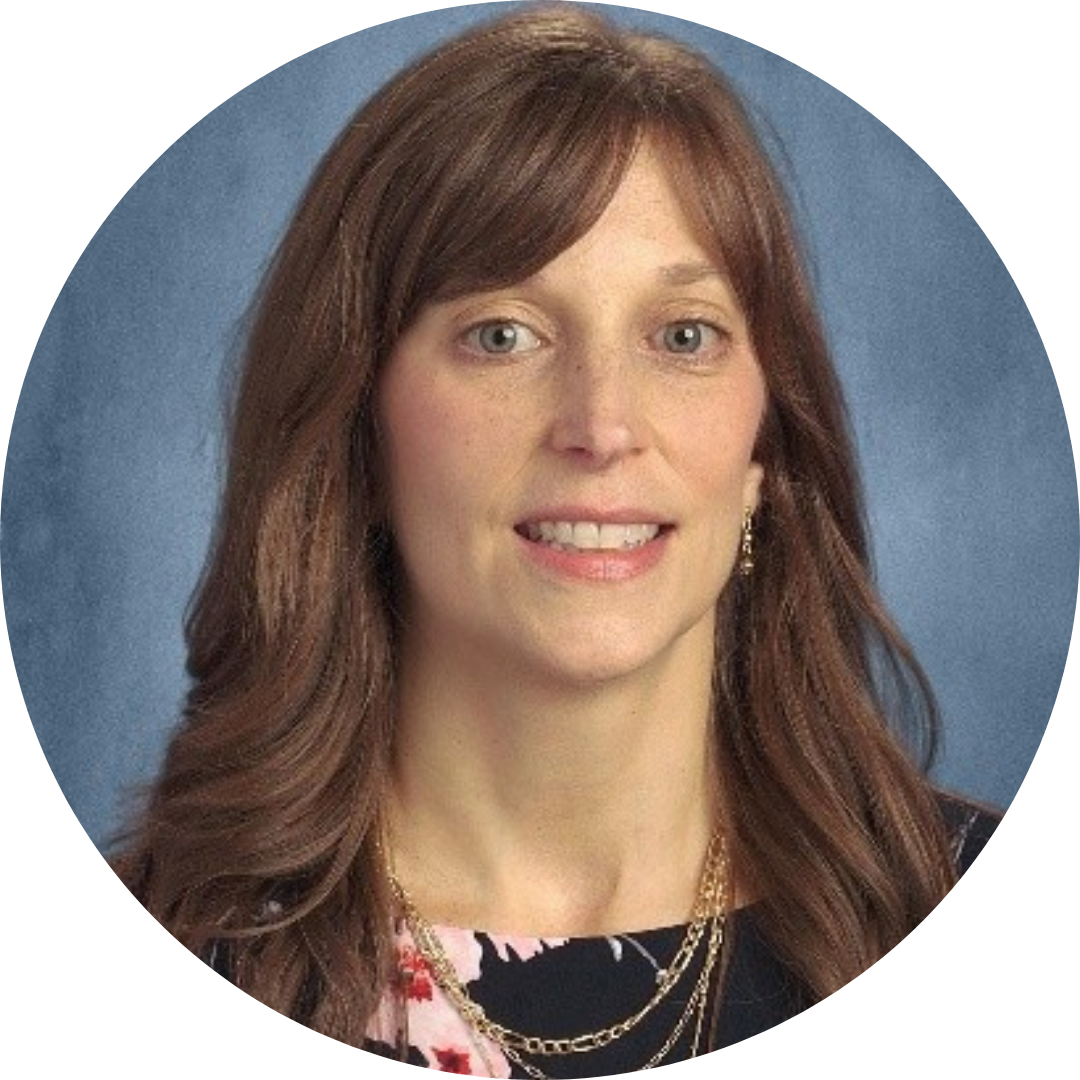 Mrs. Amelia Abd has a Bachelors Degree in Elementary Education from Grove City College and a Masters in Curriculum and Instruction with an emphasis in Reading from University of Virginia. She has taught in Virginia and Brazil before coming to back to Pennsylvania. She has numerous years of experience as a Reading Specialist and she is CERI certified Orton Gillingham Instructor.
Co-Presenting – Direct Instruction Facts and Fallacies
Do you have students who continue to struggle with foundational skills despite receiving intervention? This session will explore how Direct Instruction (DI) can be used to support struggling readers through mastery-focused, explicit, and systematic instruction. Presenters will explore common myths and realities of DI, explain its core tenets, and share firsthand reflections from a new DI user. Attendees will leave with practical takeaways from they can apply immediately in intervention and classroom settings as well as knowledge about available DI programs and resources.
 Dr. Mindy Bramer has served in a variety of educational roles throughout her career, including elementary and special education teacher, reading specialist, ninth grade English literature teacher, Director of Professional Development, and Director of Literacy. She has experience in both private and public school settings and previously worked with the Pennsylvania Training and Technical Assistance Network (PaTTAN) on Pennsylvania’s Dyslexia Screening and Early Literacy Pilot Program. Dr. Bramer holds certifications as a Special Education Supervisor and Principal. She currently supports the High Incidence Pillar, which encompasses Literacy; Mathematics; Science, Technology, Engineering, and Mathematics (STEM); Multi-Tiered System of Supports (MTSS); and school improvement efforts including Additional Targeted Support and Improvement (ATSI), Targeted Support and Improvement (TSI), and Comprehensive Support and Improvement (CSI). In addition to being a National Board Certified Teacher in Reading–Language Arts (Early and Middle Childhood), Dr. Bramer is a Wilson Reading System® Trainer and a Language Essentials for Teachers of Reading and Spelling (LETRS) Certified Local Facilitator. She has also been actively involved with the Pennsylvania Branch of the International Dyslexia Association for over fifteen years and is deeply passionate about ensuring that all individuals have the opportunity to learn to read.
Co-Presenting Experience Dyslexia – A Simulation
The dyslexia simulation provides participants with an opportunity to experience the challenges individuals with dyslexia face when reading, writing, and processing language. Through structured activities that replicate decoding difficulties, increased cognitive load, slow processing speed, and working-memory demands, participants gain firsthand insight into how dyslexia impacts everyday learning. The simulation fosters empathy, deepens understanding of evidence-based instruction, and underscores the importance of supportive, structured literacy practices.
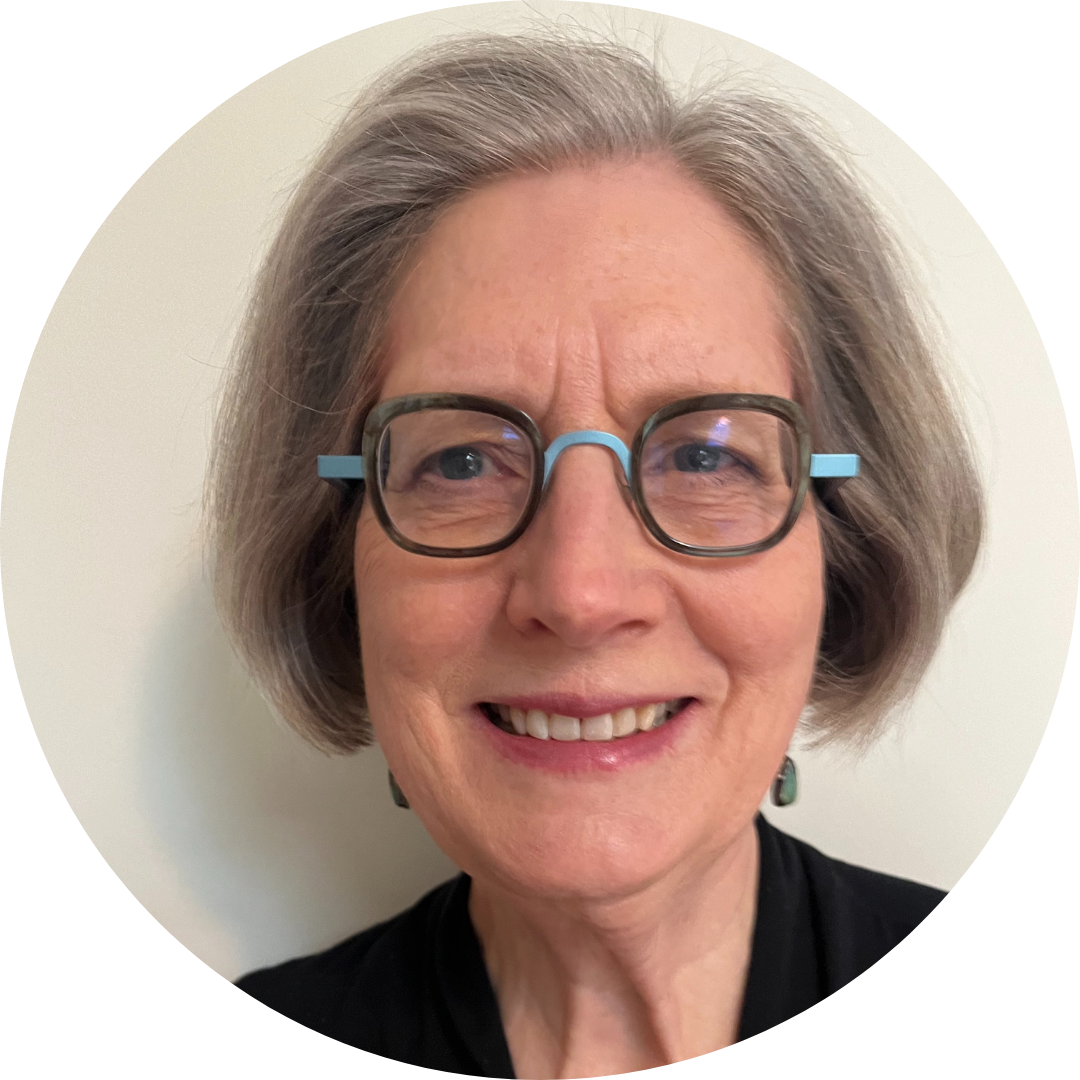 Christine Craig Seppi is a past president of the PA Branch of the International Dyslexia Association (PBIDA) Board of Directors. She is an Orton-Gillingham Tutor certified at the Advanced Level through the 32 o Masonic Scottish Rite Children’s Dyslexia Centers. She is also certified as an Academic Language Practitioner (CALP) through the Academic Language Therapy Association. She currently tutors privately. Ms. Seppi obtained a Master of Arts in English Language from Brigham Young University. Before becoming an Orton-Gillingham tutor, she taught English, writing, and oral presentation skills at the college and high school levels. She has also developed and presented communication and management training courses as a consultant. Ms. Seppi and her husband are the parents of four adult children, one of whom has dyslexia.
Co-Presenting Experience Dyslexia – A Simulation
The dyslexia simulation provides participants with an opportunity to experience the challenges individuals with dyslexia face when reading, writing, and processing language. Through structured activities that replicate decoding difficulties, increased cognitive load, slow processing speed, and working-memory demands, participants gain firsthand insight into how dyslexia impacts everyday learning. The simulation fosters empathy, deepens understanding of evidence-based instruction, and underscores the importance of supportive, structured literacy practices.
 Linda Delvaux, M.Ed. earned her B.S. in Elementary Education and her Master’s in Reading from Clarion University, and a Master’s in Special Education from Slippery Rock University. She began her career as an elementary classroom teacher and then guided students K-12 as a reading and math specialist. She now works as an educational consultant with the Midwestern Intermediate Unit IV, helping teachers bring out the best in every student. She supports schools with MTSS and inclusive practices, particularly in reading and math, and also serves on the BrainSTEPS team and as a STEM point of contact. She lives in Grove City with her family and her work is driven by the belief that when teachers are equipped with effective strategies, every student can gain confidence and succeed as a learner.
Presenting – Writing Made Possible: A Consistent Routine for Turning Reading into Writing
Struggling writers often freeze at the blank page, but writing can be simple when students have a clear, repeatable routine. In this session, teachers and parents will learn how to guide students from reading to writing using a step-by-step process that highlights main ideas, organizes thoughts, and builds sentences and paragraphs with confidence. Walk away with practical tools you can use immediately in the classroom or at home to help every student say, “Now I know what to write!”
 Candace Hall brings over 25 years of experience in education, specializing in literacy across K–12. She currently works with Cambium Learning, supporting programs affiliated with Lexia and LETRS, and serves on the International Dyslexia Association Board in Pennsylvania. Candace is also an active member of The Reading League PA.
Co-Presenting – Life Without Literacy
Sentenced, produced by Stephen Curry, documents the lived experiences of adults who cannot read and the impact this has on their jobs, relationships, and ability to navigate everyday life. This session invites viewers to confront the human cost of illiteracy and consider the role education systems play in shaping these outcomes.
 Dr. Natalie Heisey is an Associate Professor of Education at Grove City College. She earned an Ed.D. in Literacy from the University of Pittsburgh. A former first- and second-grade teacher, she also served as Director of the Reading Clinic at Pitt. With 16 years of experience in higher education, Dr. Heisey has taught undergraduate and graduate literacy courses, preparing preservice teachers, reading specialists, and master’s candidates in reading. She advocates for structured literacy practices grounded in the science of reading and is committed to ensuring that every child receives high-quality instruction. She believes strong Tier 1 teaching can reduce the number of students requiring Tier 2 and Tier 3 interventions, while also supporting educators who provide targeted intervention services.
Presenting – What Structured Literacy Looks Like in Real Classrooms—and How to Advocate for It
Structured Literacy is widely recognized as the most effective approach for students with dyslexia, yet families and educators often ask with it actually looks like in daily instruction. This session provides a clear, accessible overview of structured literacy grounded in the science of reading. Participants will explore the essential components of effective, evidence-based reading instruction, see practical classroom examples, and learn how progress is monitored and measured. Parents, teachers, and Literacy Specialists will leave with a shared understanding of what to expect from high-quality literacy instruction and how to support and advocate for students with dyslexia in school settings.
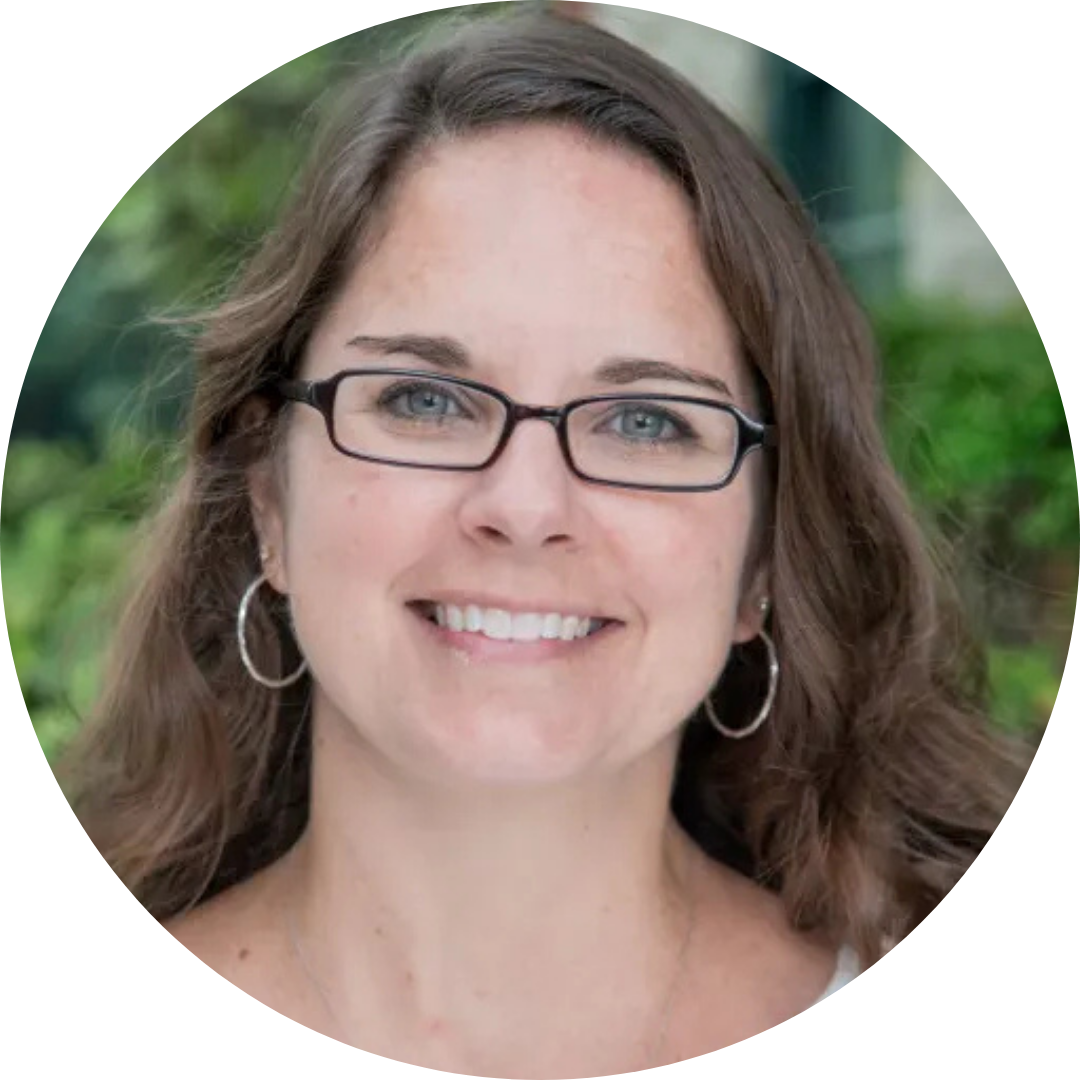 Shelly Johnston is a 1997 Alumni of Grove City College. Earning her degree in Biochemistry and her teaching certification in High School Chemistry. Shelly is a Client Engagement Specialist at AIM Institute for Learning & Research. She has extensive experience in the classroom. Shelly has worked as a science educator for 15 years with 10 years as an instructor at AIM Academy. She was on the leadership team at AIM Academy as the Upper School Dean and Coordinator for Intervention. Prior to teaching Shelly spent several years in pharmaceutical research.
Presenting – The Role of Implementation Science for Sustainable Literacy Skills
Discover the application of Implementation Science as a system for improving literacy outcomes. Learn how aligning systems, setting clear milestones, and mitigating barriers can promote a sustainable impact. Hear how AIM Institute boosted early literacy with partners across the country by using evidence-based training, Science of Reading strategies, and sustainable educator support to drive student success.
 Lauren Lutz, M.Ed. earned her B.S. in Elementary Education from Penn State University and her Masters in Reading from Slippery Rock University. She is currently an educational consultant with the Pennsylvania Training and Technical Assistance Network (PaTTAN) in western PA where she supports the Literacy, Inclusive Practices and Math initiatives.
Prior to becoming a consultant, Lauren spent 20 years as a classroom teacher. She is passionate about helping students and teachers and connecting research to practice in the classroom.
Presenting – Unlocking Words: Morphology Awareness in the Upper Elementary Classroom (Grades 3 – 6)
In this interactive session, educators will explore the foundational concepts of morphology and its critical role in literacy instruction. Participants will define key morphological terms and briefly examine the historical influences that have shaped the English language. The session will focus primarily on practical strategies for applying morphological awareness in the classroom, equipping educators with tools to help students decode, understand, and retain complex vocabulary. By the end of the session, teachers will be prepared to use structured literacy techniques to foster students’ morphological understanding and enhance their overall language skills.
 Dr. Denise Morelli is a member of the Board of the International Dyslexia Association – Pennsylvania Branch (PBIDA). Prior to her retirement, she served as Program Director for the Allegheny Intermediate Unit (AIU). During her 36-years tenure at AIU, she held positions as a special education teacher, reading specialist, supervisor, and program director. Dr. Morelli earned a Bachelor of Science in Education (B.S. Ed) with dual certification in special and elementary education from Edinboro University. She also holds a Master of Science (M.S. Ed.) in Reading Specialist, Principal Certification, and Doctor of Education ( Ed.D) from Duquesne University. Her passion for special education and advocacy for struggling readers stems from her own experiences with dyslexia.
Co-Presenting Experience Dyslexia – A Simulation
The dyslexia simulation provides participants with an opportunity to experience the challenges individuals with dyslexia face when reading, writing, and processing language. Through structured activities that replicate decoding difficulties, increased cognitive load, slow processing speed, and working-memory demands, participants gain firsthand insight into how dyslexia impacts everyday learning. The simulation fosters empathy, deepens understanding of evidence-based instruction, and underscores the importance of supportive, structured literacy practices.
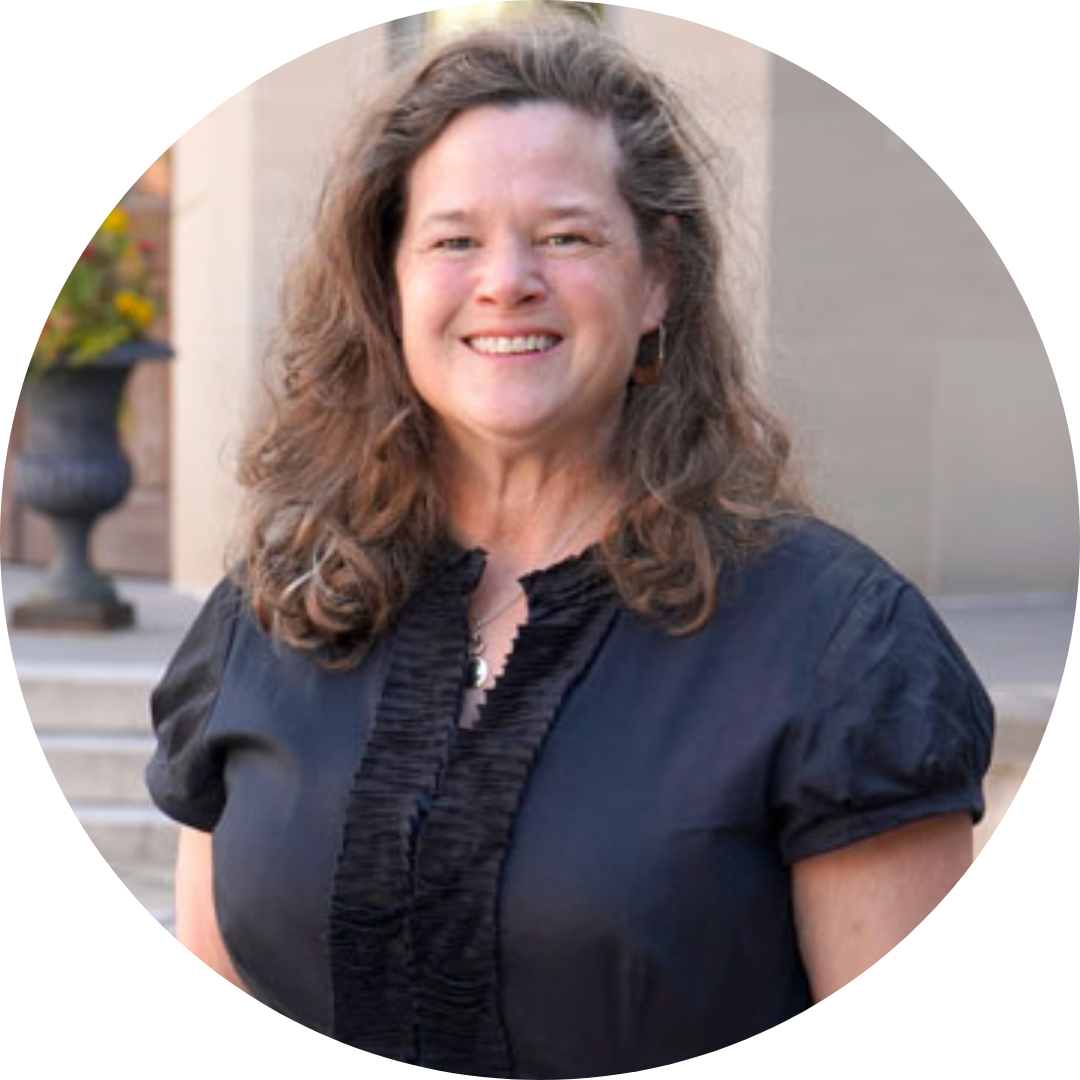 Dr. Constance Nichols, Ed.D., is Professor and Chair of Education at Grove City College, where she leads undergraduate and graduate programs in teacher preparation and literacy. She is the president of the Pennsylvania Deans Forum, she works with education leaders across the state to strengthen the teacher pipeline and support evidence-informed policy that advances equitable outcomes for students and schools.Dr. Nichols is active in several eduational initiatives where she brings a practitioner’s lens to workings towards better educational policy, governance, and community engagement. She serves on a local school board, and is a founding board member and executive board officer for the Hope Center for Arts and Technology in Sharon, Pennsylvania, a human-flourishing initiative that provides tuition free arts and vocational training aligned with regional workforce needs. She is a Strickland Global Leadership Fellow and Lecturer. Her scholarship and professional work integrate literacy, teacher leadership, and educational access and equity to promote human potential and the common good.
 With 20 years of experience in education, Dr. Mandie Payne has served as both a classroom teacher and reading specialist. She holds a doctorate in Curriculum and Instruction with focus of study in Literacy and currently works as an adjunct instructor teaching literacy-focused graduate coursework in addition to her reading specialist role in the Beaver Area School District. Dr. Payne is also in the process of completing principal certification, demonstrating a continued commitment to advancing effective literacy instruction and educational leadership.
Co-Presenting – Life Without Literacy
Sentenced, produced by Stephen Curry, documents the lived experiences of adults who cannot read and the impact this has on their jobs, relationships, and ability to navigate everyday life. This session invites viewers to confront the human cost of illiteracy and consider the role education systems play in shaping these outcomes.
 Dr. Rick Sabousky is a Professor of Education at Grove City College. Rick is past President of the Pennsylvania Chapter of the Council for Exceptional Children, past Vice-president of the Pennsylvania Chapter of the International Dyslexia Association and serves on the Board of Directors for the Venango Training and Development Center. Dr. Sabousky has also been involved at the state level with multiple work groups developing the most recent Special Education Guidelines as well as the new Literacy Guidelines.
Co-Presenting – Direct Instruction Facts and Fallacies
Do you have students who continue to struggle with foundational skills despite receiving intervention? This session will explore how Direct Instruction (DI) can be used to support struggling readers through mastery-focused, explicit, and systematic instruction. Presenters will explore common myths and realities of DI, explain its core tenets, and share firsthand reflections from a new DI user. Attendees will leave with practical takeaways from they can apply immediately in intervention and classroom settings as well as knowledge about available DI programs and resources.
 Mija Trammell serves as Assistant Director of the University of Akron Center for Structured Literacy. She is a CERI-certified Structured Literacy Dyslexia Specialist (C-SLDS) and an adjunct professor teaching Assessment & Instruction in Literacy. She holds a B.S. in Elementary and Special Education from Texas Tech University and an M.A. in Elementary Education with a specialization in Literacy from The University of Akron. With professional experience in Texas, Florida, and Ohio, Mija brings more than 30 years of expertise in literacy assessment, instruction, and remediation, along with coaching and leadership across K–5 general and special education settings.
Presenting – Targeting Foundational Processes to Support Reading Comprehension
Reading comprehension is not a single skill—it is the result of multiple cognitive processes working efficiently under load. For students with dyslexia, weaknesses in executive function often interfere with comprehension even when decoding instruction is accurate. This presentation will address comprehension difficulties in dyslexia that stem from:
- Working memory overload
- Inefficient self-monitoring
It highlights three foundational processes that support deep understanding: A = automaticity, I = Imagination/visualization, M = Metacognition
CEU’s and Certificates
Participants may earn ACT 48, ALTA, CERI, IMSLEC, and Wilson CEUs, as well as Ohio educator credits. ACT 48 credits are sponsored by IDA-PA.
All required forms must be completed by April 3, 2026 at 11:59 PM. Certificates of completion will be emailed between April 13–17, 2026.
Registration Information
- Advance Registration:
- Before March 18, 2026 at 12:00 PM
- $30 per person
- Includes optional boxed lunch
- Eligible for CEUs and educator credits
- On-Site Registration:
- March 21, 2026 from 8:00–8:40 AM
- $30 per person, PayPal only
- Lunch not included
- Eligible for CEUs and educator credits
Register Now!
Registration Terms:
Registrations cannot be transferred.
Registrant understands their purchase is for an in-person conference with no virtual or recorded component.
Cancellations prior to March 6 will result in a $15 processing fee.
Cancellations after March 16 will forfeit any reimbursement.
Location
The Staley Hall of Arts and Letters at Grove City College – building 10 on this map and parking lot 4 will be the closest to the event.