
2026 IDA-PA Annual Conference
April 25 @ 8:00 am - 4:00 pm


Education professionals and parents alike want students to feel heard, understood, and supported. This one-day conference brings together educators, families, and specialists for meaningful learning centered on the whole student. Through expert-led sessions, participants will explore social-emotional development, academic learning, advocacy, and the special education process.
Attendees will leave with practical strategies, deeper insight into the student experience, and tools to strengthen collaboration between home and school. Together, we can build more responsive, supportive learning environments that help every student thrive.
Jump to:
Schedule
Keynote Information
Speakers and Session Moderators
CEU & Certificate Information
Registration
Accommodations
Location
Register Now!
Schedule:
Subject to change
| 8:00am | Doors Open for Registration Check In • Exhibits Open • Light Continental Breakfast |
| 8:45am | Opening Remarks |
| 9:00 – 10:30am | Keynote with Dr. Olivardia |
| 10:45 – 10:55am | Break • Exhibits Open |
| 11:00 – 12:15pm | Morning Workshop |
| 12:15 – 1:30pm | Lunch • Exhibits Open • Networking |
| 1:30 – 2:45pm | Afternoon Workshop |
| 2:45 – 3:00pm | Conclusion |
Keynote Information:
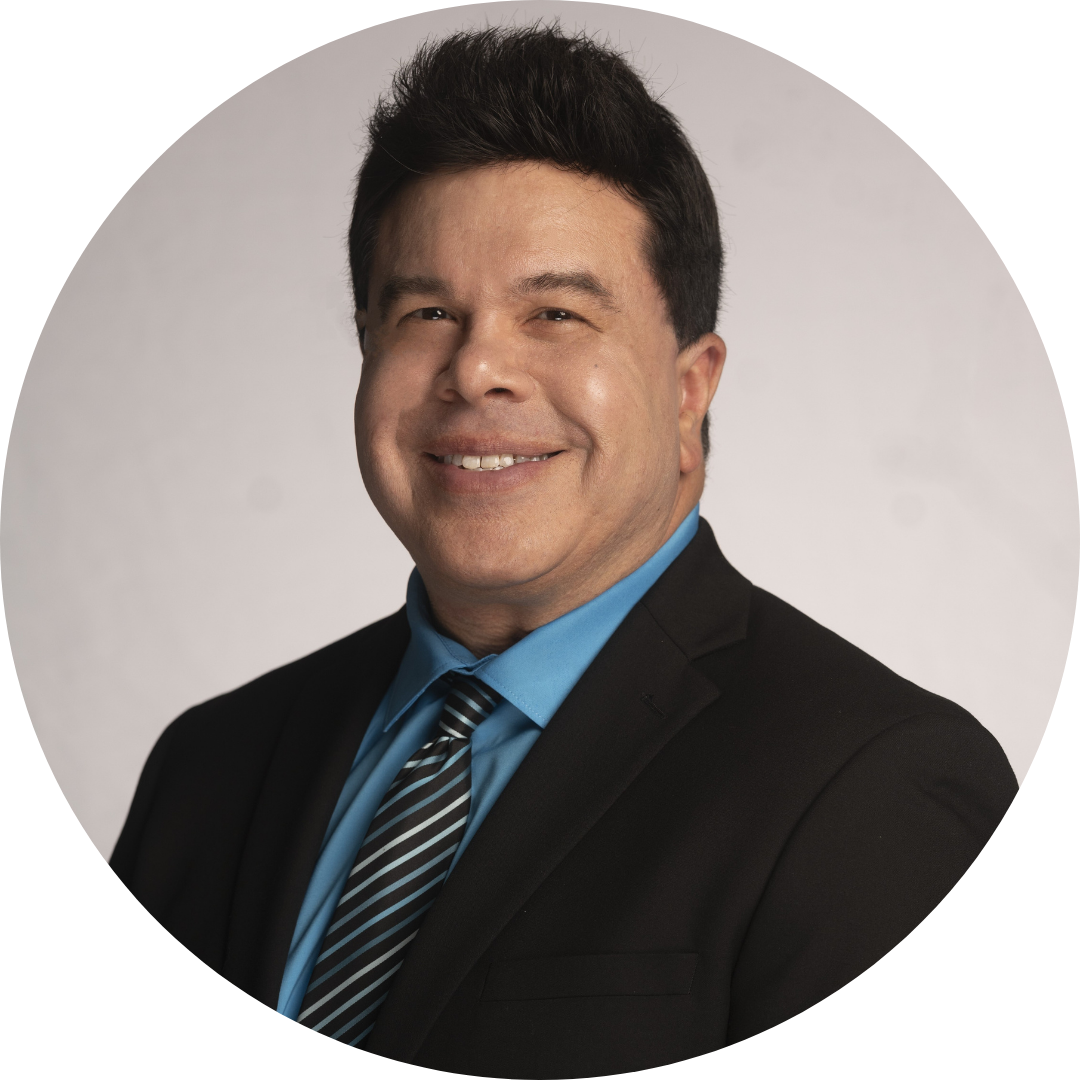 Dr. Roberto Olivardia is a Clinical Psychologist, Lecturer in the Department of Psychiatry at Harvard Medical School and Clinical Associate at McLean Hospital. He maintains a private practice in Lexington, Massachusetts, where he specializes in the treatment of Attention Deficit Hyperactivity Disorder (ADHD), Obsessive-Compulsive Disorder (OCD), Body Dysmorphic Disorder (BDD), as well as issues that face students with learning differences. He is a nationally recognized expert in the research and treatment of males with eating disorders. He currently serves on the Professional Advisory Boards for Children and Adults with ADHD (CHADD) and The Attention Deficit Disorder Association (ADDA). He is a Featured Expert for Understood and on the Scientific Advisory Board for ADDitude. He has been an active member of Decoding Dyslexia-Massachusetts and has presented at the International Dyslexia Association Annual Conference. Dr. Olivardia also has lived experience as someone with ADHD and learning differences and the father of two college-aged children with ADHD and Dyslexia.
Thriving with ADHD and Dyslexia
The keynote address examines the relationship between ADHD and Dyslexia, highlighting accurate identification, neurological factors, and effective intervention, while describing how co-occurrence creates distinct learning and behavioral presentations. The presenter seeks to provide an experiential and narrative account of this lived experience. Attendees will learn to differentiate characteristics of ADHD from Dyslexia, as well as recognize warning signs of social-emotional distress (e.g. anxiety, low self-esteem) and apply evidence-based academic and behavioral strategies. Acceptance, assertiveness, community, and humor are highlighted as central pillars of a strength-based, value-oriented neurodiverse identity and positive self-concept, allowing young people to thrive because of, not despite, their differences. The presenter will weave together clinical experience, personal stories shared with lightness, and his perspective as a parent of two college students with ADHD and dyslexia.
Speakers:
 Megan Fairchild, M.Ed. is the Director of Teaching & Learning at Delaware Valley Friends School, a nationally recognized school for students with language-based learning differences. With over a decade of experience in special education, Megan specializes in structured literacy, executive functioning, and evidence-based instructional practices that support students with learning differences. She is a Certified Academic Language Practitioner (CALP), Instructor of Certified Academic Language Practitioners (ICALP), and Certified Structured Literacy Dyslexia Interventionist (C-SLDI). Megan has worked as a classroom teacher, literacy specialist, and teacher trainer, and currently leads professional development initiatives, coaches educators, and supports curriculum design grounded in research-based practices. Furthermore, she heads the DVFriends Adolescent Literacy Training Program and teacher training institute. Both in and out of the classroom, her work centers on bridging the gap between research and classroom practice. Megan is passionate about equipping educators with practical strategies that foster independence, confidence, and meaningful learning for all students.
Co-Presenting Dyslexia 101
One in five individuals struggles with literacy, and many of them have dyslexia. Dyslexia 101 provides a foundational understanding of what dyslexia is, how it impacts learners, and what can be done to help. This session addresses common myths, highlights key research, and offers practical strategies to support students and individuals with dyslexia. Whether you are an educator, parent, or advocate, you will leave with knowledge you can immediately apply.
 Yvonne D’Uva Howard, Ph.D., M.S., CCC-SLP/L, C-SLT
Presenting “Structured Literacy Through an SLP Lens: Supporting DLD and Language-Based Learning Differences”
This session explores the relationship between Developmental Language Disorder (DLD) and language-based learning differences, including dyslexia and dysgraphia, through a Structured Literacy framework. Grounded in an SLP perspective, the session emphasizes that oral language is foundational to literacy development and must be explicitly addressed within instruction.
This session examines the relationship between Developmental Language Disorder (DLD) and language-based learning differences, including dyslexia and dysgraphia, within a Structured Literacy framework. Grounded in a speech-language pathology perspective, the session emphasizes that oral language is foundational to literacy development and must be explicitly addressed within instruction.
Participants will explore how Structured Literacy principles, including explicit, systematic, cumulative, and multimodal instruction, can be applied across the language domains of phonology, morphology, syntax, semantics, and discourse. These domains will be directly connected to decoding, encoding, reading comprehension, and written expression.
The session will include practical, ready-to-use activities and tools that integrate oral and written language instruction to support students with DLD and related language-based learning differences across educational and clinical settings.
 Khalif Jackson, MS is the Director of Student Services at Center School where he oversees the Social and Emotional Learning Office. In his role he leads development and implementation of social-emotional learning (SEL) systems He is also Founder and CEO of Greyson Scholars where he mentors students of all ages and partnered with the Department of Justice to mentor reentrants and assist them with workforce development. He has worked in Higher Education and has taught in both charter, private and public sectors. Khalif is a Boston College dual alum with a Bachelors of Arts in Sociology and a Masters of Arts in Education & Developmental Psychology. He is currently pursuing a Doctorate of Education in Education Leadership.
Presenting The Intersection of SEL and Academic Learning
The session provides a comprehensive overview of Social-Emotional Learning (SEL) and its role in supporting both academic achievement and student well-being. Participants will explore the core SEL competencies and examine how they directly impact student engagement, executive functioning, and classroom behavior. The session will also highlight practical, classroom-ready strategies that can be seamlessly integrated into daily instruction and intervention planning.
In addition, participants will learn how SEL practices can enhance overall academic support, particularly for students with language-based learning differences. Emphasis will be placed on aligning SEL with instructional practices to create more inclusive and supportive learning environments. Finally, the session will guide educators in fostering collaborative approaches to SEL implementation, strengthening partnerships among teachers, support staff, and families to ensure consistent and effective support for all students.
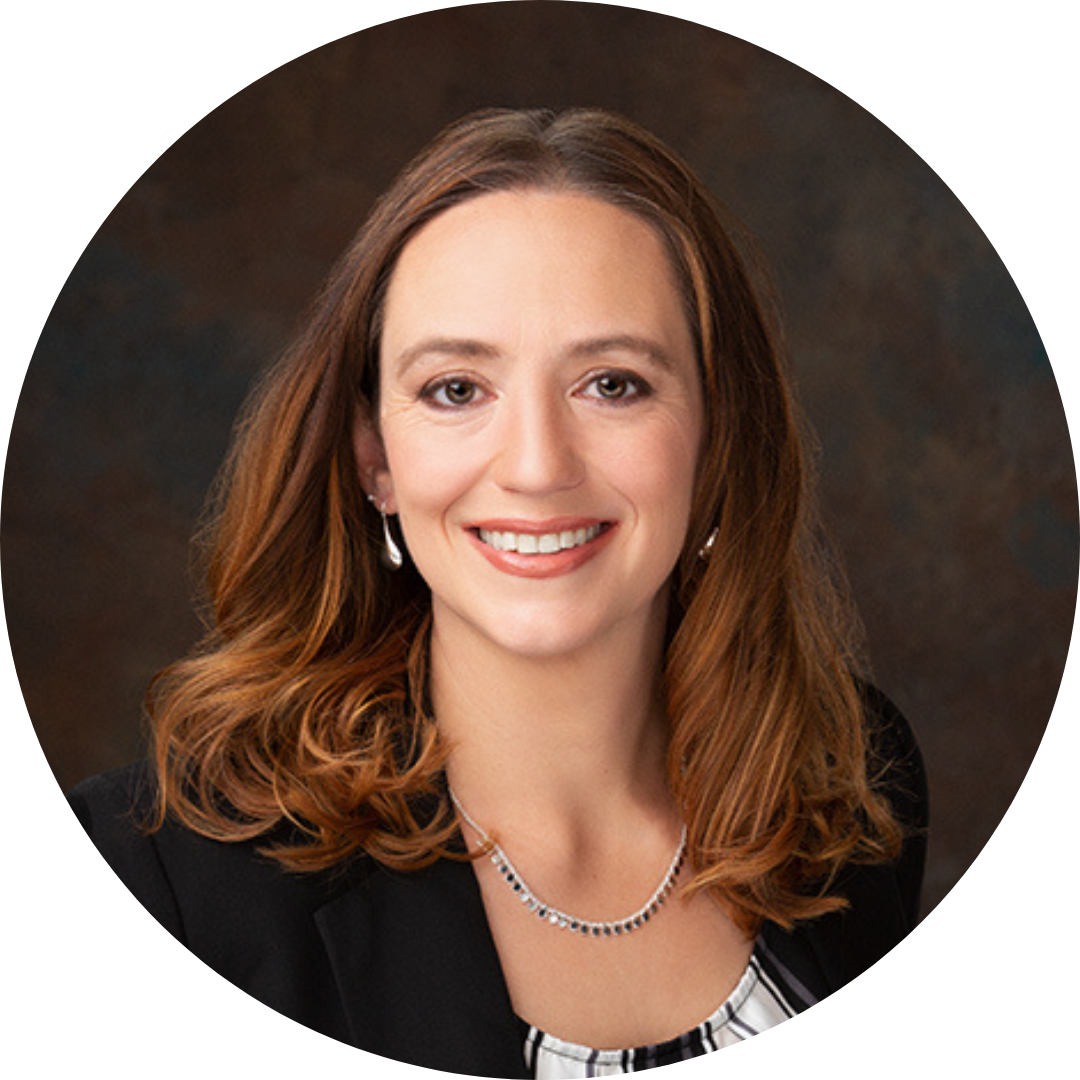 Jessica McKee, M.Ed., LSW, is the Founder of The Literacy Alliance of Pennsylvania, an organization dedicated to transforming lives through literacy. Jessica is actively involved with Decoding Dyslexia PA and a past president for IDA-PA. Jessica is a Licensed Social Worker with nearly 2 decades experience with mental health counseling and family services, including foster care and adoption. Mrs. McKee obtained her Master’s Degree in Social Work in 2004 from Marywood University.
Jessica is the mother of five children, two of whom have dyslexia. Through her experiences with her sons, Jessica realized the need for increased education and awareness regarding parent rights during special education processes as well as for increased training for educators on dyslexia. She then began volunteering with Decoding Dyslexia and the National Center for Learning Disabilities to create more opportunities for students with dyslexia in education.
Co-Presenting Dyslexia 101
One in five individuals struggles with literacy, and many of them have dyslexia. Dyslexia 101 provides a foundational understanding of what dyslexia is, how it impacts learners, and what can be done to help. This session addresses common myths, highlights key research, and offers practical strategies to support students and individuals with dyslexia. Whether you are an educator, parent, or advocate, you will leave with knowledge you can immediately apply.
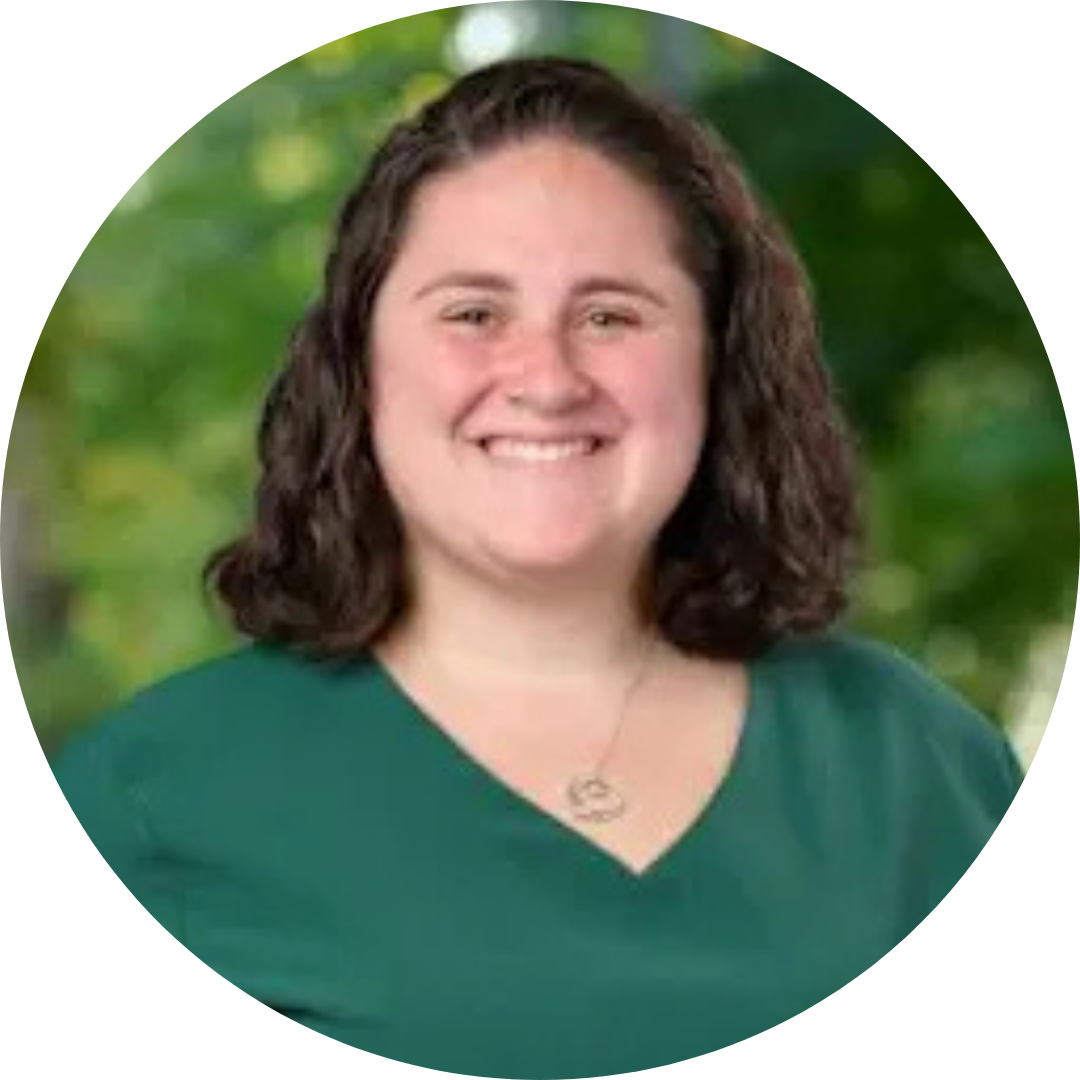 Mary Katherine Montgomery, MPH, a proud Philadelphia native, is the Head Lower School Math Teacher and Director of Summer Programming at Benchmark School in Media, Pennsylvania—the same school she attended from third through eighth grade. A lifelong learner, she holds a Bachelor’s Degree in Early Childhood Education with minors in Special Education and Religious Studies, as well as a Master’s Degree in Reading Specialty from Chestnut Hill College, where she also served as a Hall Director. She is currently pursuing her Doctorate in Educational Leadership at Immaculata University.
As a proud Dyslexic, Mary Katherine is deeply committed to advocacy and awareness within her local communities. She volunteers with the Pennsylvania Branch of the International Dyslexia Association (PBIDA) as a Dyslexia Simulation Facilitator, traveling across Pennsylvania and Delaware to educate teachers and families about dyslexia. Alongside her mother, Lynn Ortale, she has presented at higher education conferences on “Leading with a Learning Difference,” helping colleges and universities build more inclusive leadership opportunities for all students.
Inspired by her own journey learning to read, Mary Katherine returned to the classroom to empower students to embrace their unique ways of thinking. She believes that learning differences are strengths that shape how individuals see and engage with the world. In her math classroom, she fosters curiosity and creativity, encouraging students to share the many ways they think about and solve problems.
Mary Katherine lives in Media, PA with her husband, Nick, a robotics engineer, and their two children, Kiernan and Allicin. She cherishes spending time with family and friends, exploring new restaurants, and continuing the tradition of nightly family dinners—a time to share highs and lows and remind one another that home is where support begins.
Co-Presenting Experience Dyslexia – A Simulation
The dyslexia simulation provides participants with an opportunity to experience the challenges individuals with dyslexia face when reading, writing, and processing language. Through structured activities that replicate decoding difficulties, increased cognitive load, slow processing speed, and working-memory demands, participants gain firsthand insight into how dyslexia impacts everyday learning. The simulation fosters empathy, deepens understanding of evidence-based instruction, and underscores the importance of supportive, structured literacy practices.
 Dr. Denise Morelli is a member of the Board of the International Dyslexia Association – Pennsylvania Branch (PBIDA). Prior to her retirement, she served as Program Director for the Allegheny Intermediate Unit (AIU). During her 36-years tenure at AIU, she held positions as a special education teacher, reading specialist, supervisor, and program director. Dr. Morelli earned a Bachelor of Science in Education (B.S. Ed) with dual certification in special and elementary education from Edinboro University. She also holds a Master of Science (M.S. Ed.) in Reading Specialist, Principal Certification, and Doctor of Education ( Ed.D) from Duquesne University. Her passion for special education and advocacy for struggling readers stems from her own experiences with dyslexia.
Co-Presenting Experience Dyslexia – A Simulation
The dyslexia simulation provides participants with an opportunity to experience the challenges individuals with dyslexia face when reading, writing, and processing language. Through structured activities that replicate decoding difficulties, increased cognitive load, slow processing speed, and working-memory demands, participants gain firsthand insight into how dyslexia impacts everyday learning. The simulation fosters empathy, deepens understanding of evidence-based instruction, and underscores the importance of supportive, structured literacy practices.
 Jonathan Regino, M.S. is a seasoned educational leader and the current Math Supervisor for Interboro School District, specializing in the intersection of high-quality curriculum and equitable student access. A frequent presenter at both national and state-level mathematics and STEM conferences, Jonathan brings a wealth of expertise in implementing research-based instructional materials with integrity. Notably, he served as an Educational Consultant for the Pennsylvania Training and Technical Assistance Network (PaTTAN), the Bureau of Special Education’s training arm, where he focused on state initiatives including MTSS and Assistive Technology. A prominent voice in the “Science of Math” movement, Jonathan has been featured on the De Facto Leaders, Chalk and Talk, and Progressively Incorrect podcasts discussing special education accommodations and systemic equity. His extensive background, ranging from classroom teaching to his work as an EdReports reviewer and Code.org facilitator, empowers him to bridge the gap between complex pedagogical theory and the practical needs of diverse learners. He remains dedicated to ensuring that every student, particularly those with learning disabilities, has the tools and instructional support necessary to thrive in STEM and mathematics.
Presenting Math Interventions: The Intersection of Biological Learning, Instructional Hierarchies, and Intervention Support
Think of learning math like building a brick wall: if you miss a few bricks at the bottom, the entire structure becomes shaky as it gets taller. For students with learning disabilities those missing bricks can make school feel like an impossible puzzle. Today, many students are hitting a “wall” in middle school because of small gaps in their early math foundations that were never fixed. While we are often told that the latest app or software is the solution, research suggests that for a struggling student, more screen time can actually make things worse. This session pulls back the curtain on the “Digital Delusion” and explains why the human brain needs a teacher, not just an algorithm, to master math. We will explore the “Science of Math” in plain English, showing you how to spot the missing bricks in a student’s foundation and providing a clear, step-by-step plan to help them move from confusion to total confidence.
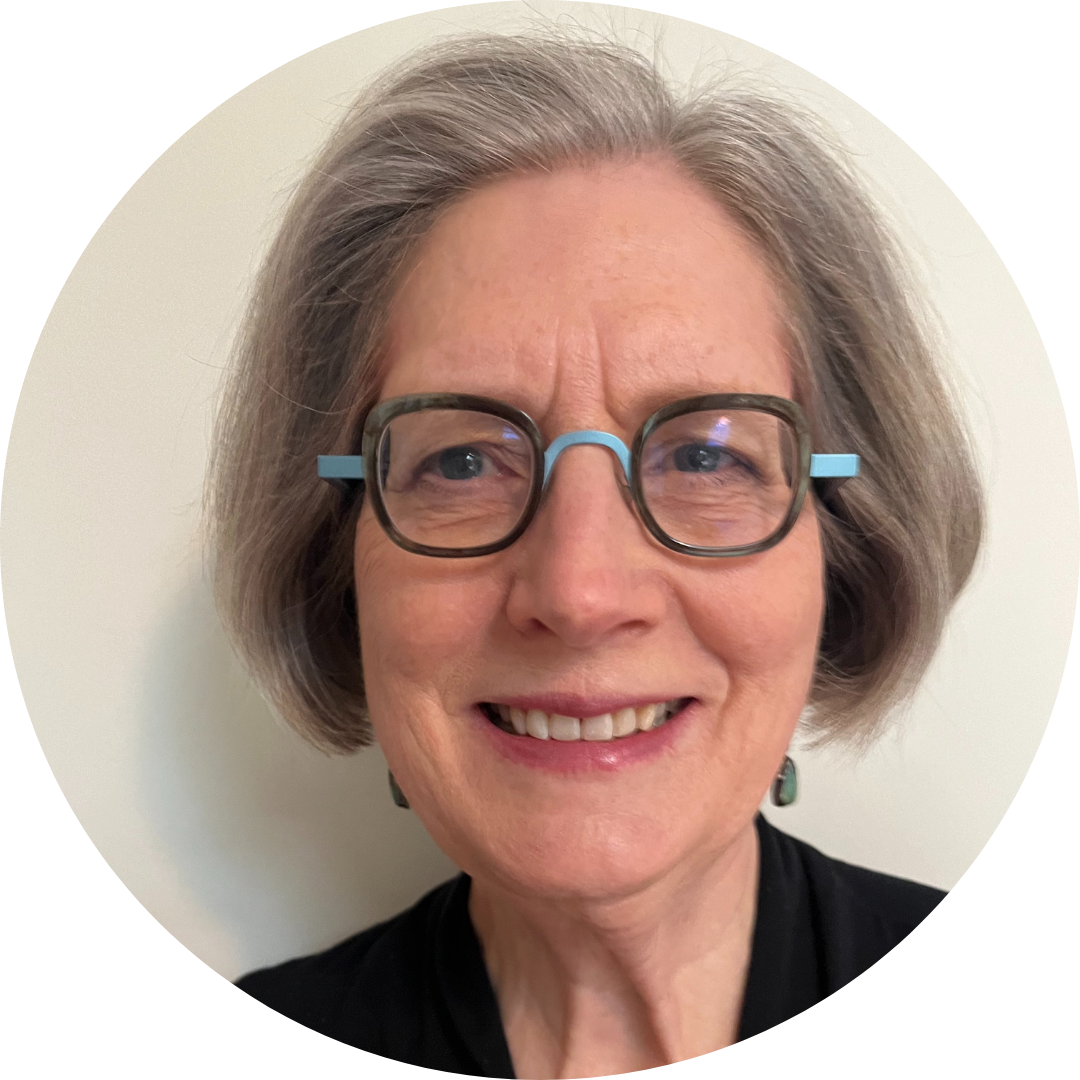 Christine Craig Seppi is a past president of the PA Branch of the International Dyslexia Association (PBIDA) Board of Directors. She is an Orton-Gillingham Tutor certified at the Advanced Level through the 32 o Masonic Scottish Rite Children’s Dyslexia Centers. She is also certified as an Academic Language Practitioner (CALP) through the Academic Language Therapy Association. She currently tutors privately. Ms. Seppi obtained a Master of Arts in English Language from Brigham Young University. Before becoming an Orton-Gillingham tutor, she taught English, writing, and oral presentation skills at the college and high school levels. She has also developed and presented communication and management training courses as a consultant. Ms. Seppi and her husband are the parents of four adult children, one of whom has dyslexia.
Co-Presenting Experience Dyslexia – A Simulation
The dyslexia simulation provides participants with an opportunity to experience the challenges individuals with dyslexia face when reading, writing, and processing language. Through structured activities that replicate decoding difficulties, increased cognitive load, slow processing speed, and working-memory demands, participants gain firsthand insight into how dyslexia impacts everyday learning. The simulation fosters empathy, deepens understanding of evidence-based instruction, and underscores the importance of supportive, structured literacy practices.
Lori Severino, EdD is Director of the ALLIED Hub @ Drexel University and a scholar-practitioner in literacy. She began her career as a special education teacher and later served as an Assistant Professor in Drexel University’s School of Education, where she taught courses in literacy, special education, and educational leadership. Dr. Severino’s research and publications focus on literacy instruction, teacher preparation, and supporting students with learning differences. She presented her work at numerous national and international conferences on literacy and educator preparation. Her work centers on advancing evidence-based literacy practices and strengthening leadership to improve literacy outcomes for all students.
Presenting The New IES Toolkit for Differentiating Reading Instruction K–3
Effective literacy instruction requires educators to understand how reading develops, how to use data to guide instruction, and how to implement differentiated practices that meet the needs of all learners. This session introduces a structured professional learning process designed to help educators deepen their knowledge of reading development and apply that knowledge to instructional decision-making. Participants will explore a collaborative learning model that integrates self-study, team discussion, classroom application, and reflection. The process supports teachers in examining key components of reading—such as phonological awareness, phonics, fluency, vocabulary, and comprehension—and using screening and progress monitoring data to inform instruction. Through guided activities and collaborative dialogue, educators will consider how to plan and implement differentiated small-group instruction and strengthen their instructional practices. This session will highlight practical strategies for building teacher capacity, fostering collaborative professional learning, and translating research-based literacy practices into classroom instruction that improves student outcomes.
MaryBeth “MB” Spencer is the Assistant Head of School for Academic Programs at Woodlynde School and has been an educator for 20 years. MB holds a B.A. in History from Bryn Mawr College, a M.S.Ed. in Education from the University of Pennsylvania, and a M.S.Ed. in Special Education and Autism Spectrum Disorders from St. Joseph’s University. She is a certified Special Educator, Reading Specialist, and Wilson Dyslexia Practitioner, and created the EF in Every Classroom program at Woodlynde for baseline EF supports and coaching. She is also an avid reader, amateur historian, and parent to a neurodivergent middle schooler.
Presenting Untangling the “Ropes:” Teaching Learners with Combined Presentations of Dyslexia, Dysgraphia, and EF Challenges
Given the neurological basis of dyslexia and the dependence of literacy on letter recognition and self-monitoring strategies, it is unsurprising that executive functioning deficits and dysgraphia can further complicate reading instruction and skill acquisition. MB will explore the neurological origin of executive function and ADHD and some new research on dysgraphia, then connect these insights to structured literacy instruction. The session will provide some important factors to consider, as well as some strategies for supporting EF and bringing good letter formation practice into literacy instruction and general education classrooms.
 Mary Ellen Trent, M.Ed. has a long-standing career in education, admissions, and nonprofit leadership, with a strong focus on supporting students with learning differences and the communities that serve them.
She most recently served as Director of Admissions at Delaware Valley Friends School for 13 years, where she partnered with students, families, and educational professionals in a collaborative and transparent admissions process. Delaware Valley Friends School is nationally recognized for its work with students with dyslexia and other language-based learning differences, as well as attention and executive functioning challenges.
Earlier in her career, she held roles with the Pennsylvania Branch of the International Dyslexia Association, including Manager, and has remained deeply involved through ongoing leadership and volunteer service. Her contributions include serving on the Board of Directors and Executive Committee, chairing multiple annual conferences, and participating in program committees and regional initiatives.
She has also served as a board member for the Pennsylvania Dyslexia Literacy Coalition and contributed to broader educational conversations through roles such as a Connect Ambassador for the National Association of Independent Schools.
Currently, she serves as a Dyslexia Simulation Coordinator for Eastern Pennsylvania, Delaware, and Southern New Jersey, where she recruits and trains volunteers and facilitates the “Experience Dyslexia” program for educators, professionals, families, and communities.
Co-Presenting Experience Dyslexia – A Simulation
The dyslexia simulation provides participants with an opportunity to experience the challenges individuals with dyslexia face when reading, writing, and processing language. Through structured activities that replicate decoding difficulties, increased cognitive load, slow processing speed, and working-memory demands, participants gain firsthand insight into how dyslexia impacts everyday learning. The simulation fosters empathy, deepens understanding of evidence-based instruction, and underscores the importance of supportive, structured literacy practices.
 Maria Vetter Maria Vetter is a founding partner of Thrive Advocacy Group and a licensed attorney specializing in education law. She also owns Vetter Law. While no longer providing direct advocacy services now that she is an attorney, she leads program development, training, and supervision to support families, professionals, and the Thrive team. Maria began her career in Applied Behavior Analysis and has worked across home, early intervention, and school settings. She later transitioned into law to further support families in education and related legal matters, including educational decision-making within family law. Maria holds a B.S. in Education from Penn State and a J.D. from Temple University Beasley School of Law. She presents locally and nationally and brings deep expertise across a wide range of disabilities and educational needs.
Co-Presenting Understanding PA Public Systems of Support
This presentation explains how public school systems provide academic supports and how families can navigate those supports when a child is struggling, particularly with reading. It includes an overview of both general and special education supports, including Multi-Tiered System of Supports (MTSS), Section 504 Plans, and Individualized Education Programs (IEPs).
The presentation also reviews key national literacy legislation that has shaped current reading instruction, as well as the most recent Pennsylvania literacy laws guiding school districts. While Pennsylvania has laid important groundwork through new legislation, the focus now must shift to effective implementation.
Presenters will discuss the Science of Reading, which emphasizes explicit instruction in phonemic awareness, phonics, fluency, vocabulary, and comprehension. With new literacy legislation in place, districts must move away from balanced literacy approaches and toward these evidence-based practices.
The presentation also highlights the importance of early screening and early intervention, noting that identifying reading challenges early can significantly reduce the need for special education services later. Families will learn how to track their child’s progress by reviewing benchmark data and monitoring growth throughout the school year.
Finally, the presenters will discuss what families can do if their child is not making progress or if they disagree with school decisions. For students with a 504 Plan or an IEP, the session will review procedural safeguards, how to use them effectively, and relevant case law related to special education rights.
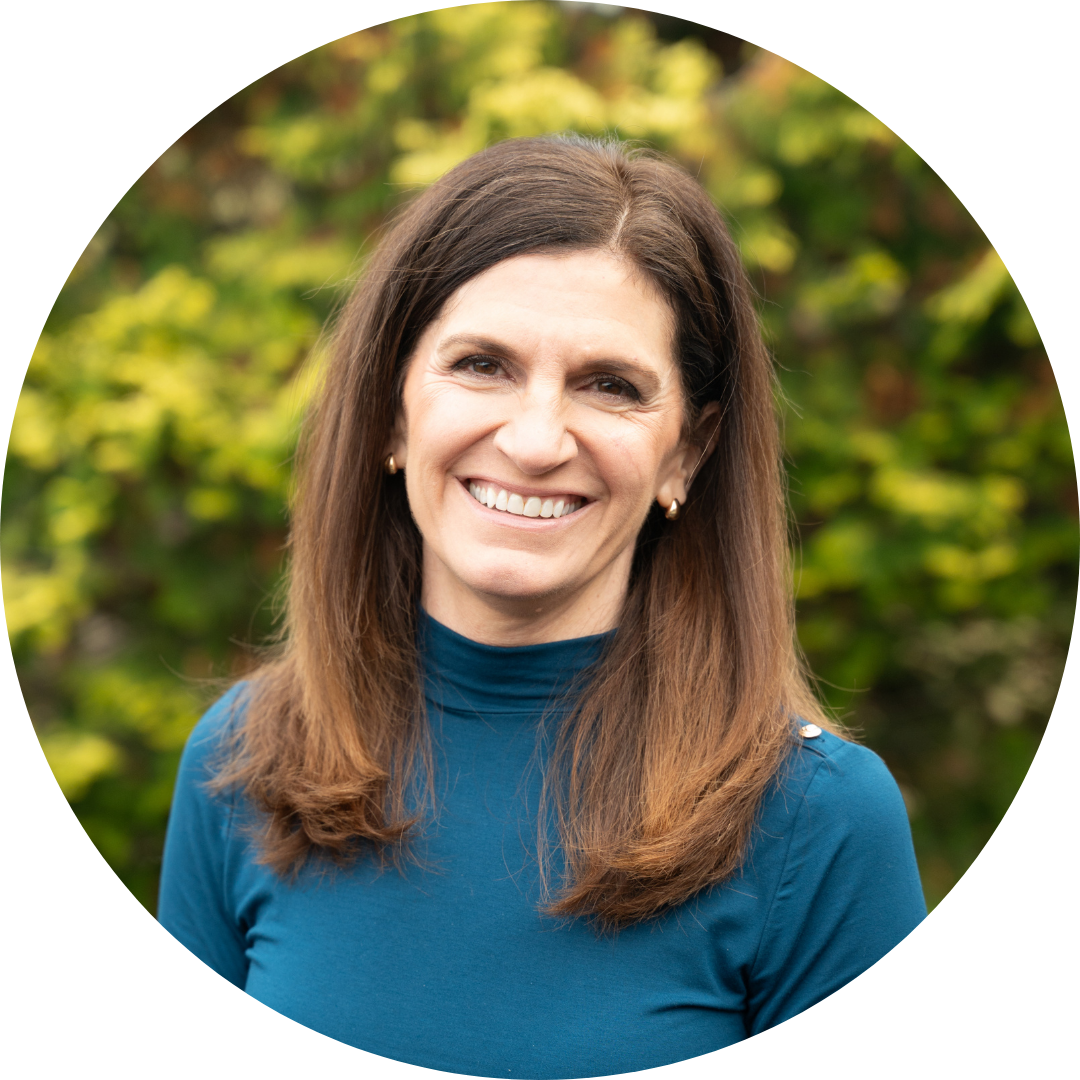 Mindy Wawrzyniak, M.Ed. is the Head of School at Center School. She holds a B.S. in Elementary Education from the University of Maryland and a M.Ed. in Reading from Arcadia University. An educator and certified reading specialist with over 20 years of diverse experiences, she has served in many capacities including Assistant Head of School, Director of Education, full-time teacher, and private tutor in both public and private settings in a variety of locations such as Maryland, Virginia, California, Okinawa, Japan, and Pennsylvania. Mindy has experience teaching and guiding students with dyslexia, dysgraphia, visual and auditory processing disorders, executive functioning difficulties, and ADHD. Part of her role as the Head of School is to support and ensure the academic and social-emotional success of students with learning differences, to raise school awareness in the community, and to focus on the viability and longevity of Center School through development, admissions, fostering relationships, and networking.
Co-Presenting Experience Dyslexia – A Simulation
The dyslexia simulation provides participants with an opportunity to experience the challenges individuals with dyslexia face when reading, writing, and processing language. Through structured activities that replicate decoding difficulties, increased cognitive load, slow processing speed, and working-memory demands, participants gain firsthand insight into how dyslexia impacts everyday learning. The simulation fosters empathy, deepens understanding of evidence-based instruction, and underscores the importance of supportive, structured literacy practices.
 Melanie Young is a co-founder of Thrive Advocacy Group and an education consultant and advocate with over 20 years of experience supporting students with special needs. She began her career as a certified special education teacher (K–21) and elementary educator (K–6), later earning her graduate degree in special education transition from The George Washington University. Melanie is a PA-certified Reading Specialist and Wilson Reading System® certified, with extensive experience in dyslexia and structured literacy. She founded Young Literacy Connection and has worked as a reading specialist and education advocate alongside legal teams. Melanie is passionate about developing individualized, student-centered programming from early childhood through transition-age services. She is also serving as IDA’s Interim President of the Board of Directors.
Co-Presenting Understanding PA Public Systems of Support
This presentation explains how public school systems provide academic supports and how families can navigate those supports when a child is struggling, particularly with reading. It includes an overview of both general and special education supports, including Multi-Tiered System of Supports (MTSS), Section 504 Plans, and Individualized Education Programs (IEPs).
The presentation also reviews key national literacy legislation that has shaped current reading instruction, as well as the most recent Pennsylvania literacy laws guiding school districts. While Pennsylvania has laid important groundwork through new legislation, the focus now must shift to effective implementation.
Presenters will discuss the Science of Reading, which emphasizes explicit instruction in phonemic awareness, phonics, fluency, vocabulary, and comprehension. With new literacy legislation in place, districts must move away from balanced literacy approaches and toward these evidence-based practices.
The presentation also highlights the importance of early screening and early intervention, noting that identifying reading challenges early can significantly reduce the need for special education services later. Families will learn how to track their child’s progress by reviewing benchmark data and monitoring growth throughout the school year.
Finally, the presenters will discuss what families can do if their child is not making progress or if they disagree with school decisions. For students with a 504 Plan or an IEP, the session will review procedural safeguards, how to use them effectively, and relevant case law related to special education rights.
 Julie Harakal, MS Julie Harakal, MS has over 12 years of experience in education and leadership. She serves as Associate Head of School and Director of Curriculum at Hillside School, with a focus on data-driven instruction, inclusive learning, and supporting student success across all grade levels.
Session Chair / Moderator
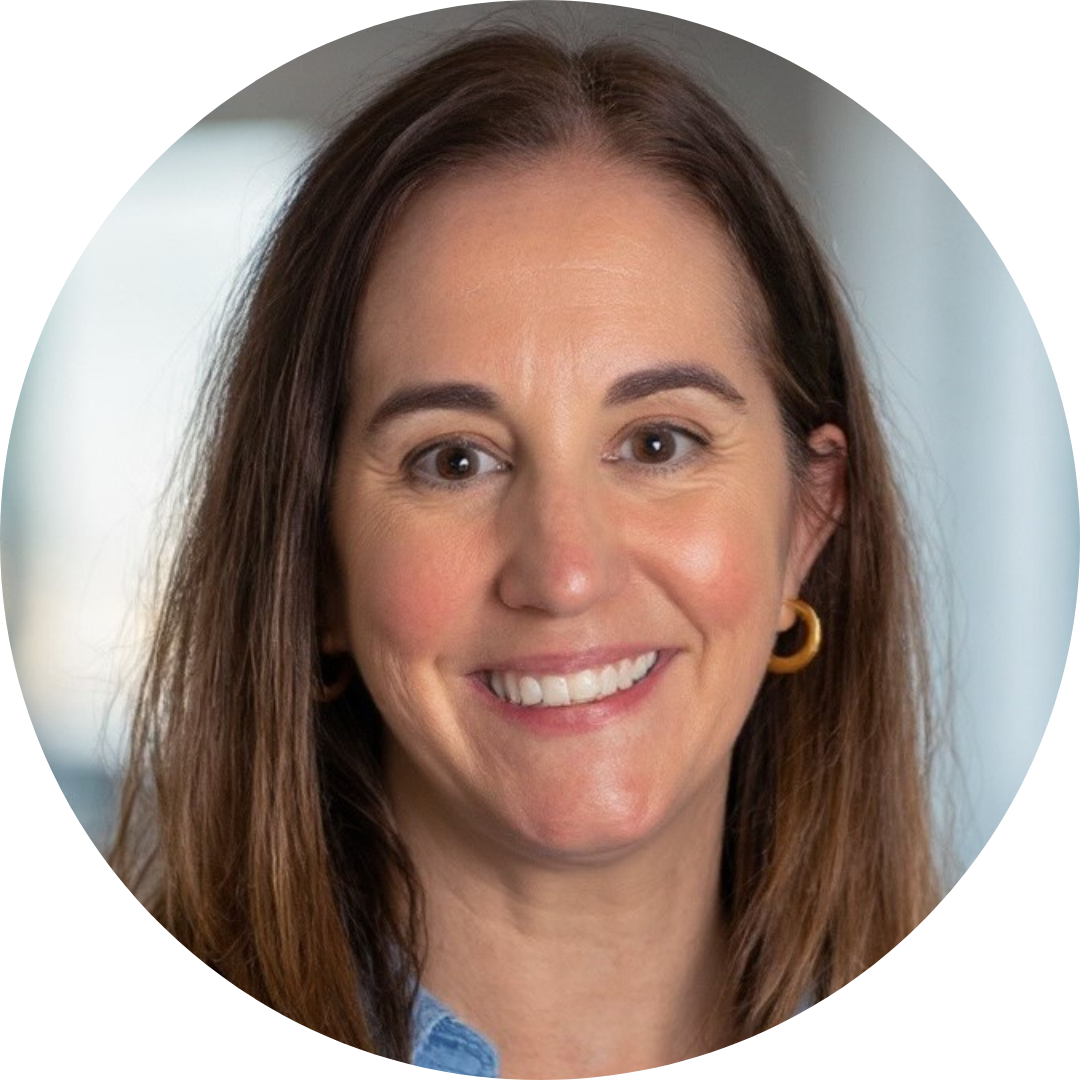 Kate Mayer, MS, C-SLI is a literacy advocate and co-founder of Everyone Reads PA. With 20+ years in education, she supports educators and families through structured literacy, professional development, and evidence-based practices to improve reading outcomes.
Session Chair / Moderator
Rich Tauber, M.S.E.has over 20 years of experience in independent education and currently serves as Head of School at Centreville Layton School. He has held roles including teacher, coach, and administrator, with a focus on supporting students with learning differences.
Session Chair / Moderator
CEU’s and Certificates
Participants may earn ACT 48, ALTA, CERI, IMSLEC, and Wilson CEUs with the appropriate registration.
If registered with a professional CEU earning registration, individuals are still required for filling out a post-event form to receive appropriate credit.
All required forms must be completed by May 5, 2026 at 11:59 PM. Certificates of completion will be emailed between May 11–15, 2026.
Registration:
| Early Registration (Until 4/10/26) |
Regular Registration | |
| IDA Member (CEUs included) |
$50 | $65 |
| Non-Member (CEUs) | $65 | $80 |
| Non-Professional (no CEUs available) |
$60 | $75 |
| Student | $20 | $25 |
IDA Members – email Danielle at dyslexia@pbida.org to confirm your membership and receive your discount code!
Registration Terms:
Registrations cannot be transferred.
Registrant understands their purchase is for an in-person conference with no virtual or recorded component.
Cancellations prior to April 10 will result in a $15 processing fee.
Cancellations after April 20 will forfeit any reimbursement.
Register Now!
Accommodations:
Book your stay at Homewood Suites by Hilton Horsham Willow Grove with our discounted rate!